- The best Loyalty System for a Small Business
- Key Takeaways
- 1. Benefits of Loyalty Systems for Small Businesses
- A) Cultivating a Loyal Customer Base
- B) Enhancing Customer Engagement
- C) Informing Business Strategies
- 2. Types of Loyalty Systems
- 3. How to Implement a Loyalty System
- 4. Tips for Creating a Successful Loyalty Program
- 5. Examples of Successful Loyalty Systems for Small Businesses
- A) Mobile App Success
- C) Enhancing Engagement
- 6. Common Mistakes to Avoid When Implementing a Loyalty System
- 7. Measuring the Success of Your Loyalty Program
- Frequently Asked Questions (FAQ)
- a) What is a loyalty system for small business?
- b) How can a small business benefit from a loyalty system?
- c) What are some common features of a loyalty system for small business?
- d) What are some popular loyalty system software options for small business?
- e) How can a small business promote its loyalty system to customers?
The best Loyalty System for a Small Business
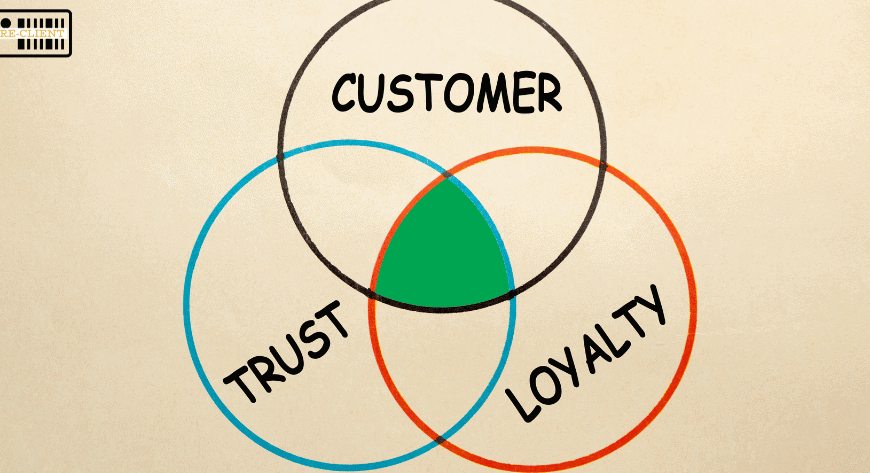
Loyalty systems have become an integral part of the modern retail landscape, serving as a bridge between businesses and their customers. These systems are designed to reward repeat customers, fostering a sense of belonging and encouraging ongoing patronage. The concept of loyalty programs is not new; they have evolved from simple punch cards to sophisticated digital platforms that leverage data analytics and customer insights.
In an era where consumer choices are abundant, loyalty systems provide businesses with a competitive edge by enhancing customer retention and increasing lifetime value. The rise of e-commerce and mobile technology has further transformed loyalty systems, allowing businesses to engage with customers in real-time and personalize their experiences. Today’s loyalty programs can track customer behavior, preferences, and spending patterns, enabling businesses to tailor rewards and communications effectively.
As small businesses strive to carve out their niche in a crowded marketplace, understanding and implementing an effective loyalty system can be a game-changer, driving not only sales but also customer satisfaction and brand loyalty.
Key Takeaways
- Loyalty systems are a valuable tool for small businesses to retain customers and increase sales.
- Benefits of loyalty systems for small businesses include increased customer retention, higher average transaction value, and valuable customer data.
- Types of loyalty systems include points-based programs, tiered programs, and paid membership programs.
- Implementing a loyalty system involves setting clear goals, choosing the right technology, and promoting the program effectively.
- Tips for creating a successful loyalty program include offering valuable rewards, making it easy to join, and regularly communicating with members.
1. Benefits of Loyalty Systems for Small Businesses
A) Cultivating a Loyal Customer Base
One of the most significant advantages is the ability to cultivate a loyal customer base. When customers feel appreciated through rewards and recognition, they are more likely to return, reducing the costs associated with acquiring new customers. This is particularly crucial for small businesses that may not have the marketing budgets of larger corporations.
B) Enhancing Customer Engagement
By focusing on retention, small businesses can create a stable revenue stream that supports long-term growth. Moreover, loyalty systems can enhance customer engagement by providing businesses with valuable insights into consumer behavior. By analyzing data collected through loyalty programs, small businesses can identify trends, preferences, and purchasing habits.
C) Informing Business Strategies
This information can inform marketing strategies, product offerings, and even customer service approaches. For instance, if a coffee shop notices that frequent customers prefer certain types of beverages or snacks, they can tailor their menu or promotions accordingly. This level of personalization not only improves customer satisfaction but also fosters a deeper connection between the business and its clientele.
2. Types of Loyalty Systems

Loyalty systems come in various forms, each designed to cater to different business models and customer preferences. One common type is the points-based system, where customers earn points for every purchase they make. These points can later be redeemed for discounts, free products, or exclusive offers.
This model is particularly effective in industries such as retail and hospitality, where repeat purchases are frequent. For example, a local bookstore might offer one point for every dollar spent, allowing customers to accumulate points towards a free book after reaching a certain threshold. Another popular type is the tiered loyalty program, which incentivizes customers to reach higher levels of spending or engagement for greater rewards.
This system not only encourages repeat business but also motivates customers to increase their spending to unlock additional benefits. A fitness studio might implement a tiered program where members who attend classes regularly receive perks such as discounted rates on personal training sessions or exclusive access to special events. This approach creates a sense of achievement and exclusivity among loyal customers.
3. How to Implement a Loyalty System
Implementing a loyalty system requires careful planning and execution to ensure its effectiveness. The first step is to define clear objectives for the program. Businesses should consider what they hope to achieve—whether it’s increasing customer retention, boosting average transaction value, or enhancing customer engagement.
Once objectives are established, businesses can select the type of loyalty program that aligns with their goals and customer preferences. Next, it’s essential to choose the right technology platform to support the loyalty system. Many small businesses opt for digital solutions that integrate with existing point-of-sale systems or e-commerce platforms.
These tools can streamline the process of tracking customer purchases and managing rewards. Additionally, businesses should focus on promoting the loyalty program effectively. This includes training staff to communicate the benefits to customers and utilizing marketing channels such as social media, email newsletters, and in-store signage to raise awareness.
🎁 Want to Turn First-Time Buyers into Loyal Customers?
Book your FREE loyalty audit with Re-Client and discover how to keep your customers coming back — effortlessly!
👉 Claim Your Free Audit Now4. Tips for Creating a Successful Loyalty Program
Creating a successful loyalty program involves more than just offering rewards; it requires a deep understanding of customer needs and preferences. One key tip is to keep the program simple and easy to understand. Complicated rules or convoluted redemption processes can deter participation.
Customers should be able to easily grasp how they earn rewards and what they need to do to redeem them. Another important aspect is personalization. Tailoring rewards based on individual customer preferences can significantly enhance the effectiveness of a loyalty program.
For instance, if a bakery knows that a particular customer frequently purchases gluten-free products, offering them exclusive discounts on those items can create a more meaningful connection. Additionally, soliciting feedback from customers about the program can provide valuable insights for continuous improvement.
5. Examples of Successful Loyalty Systems for Small Businesses
A) Mobile App Success
A local coffee shop is a notable example of a successful loyalty system implementation. The shop introduced a mobile app that allowed customers to earn points for every purchase made through the app. The app also featured personalized offers based on previous purchases, such as discounts on favorite drinks or early access to new menu items.
B) Punch Card Perks
Another example is a family-owned restaurant that launched a punch card system.
Customers received a stamp for each visit, and after ten stamps, they earned a free meal of their choice. This approach not only incentivized repeat visits but also created a sense of accomplishment and reward for loyal customers.
C) Enhancing Engagement
To take engagement to the next level, the restaurant hosted monthly events exclusively for loyalty members, such as wine tastings or cooking classes. This not only incentivized repeat visits but also created memorable experiences that deepened customer relationships. By fostering a sense of community and belonging, these small businesses were able to build a loyal customer base that drove their growth and success.
6. Common Mistakes to Avoid When Implementing a Loyalty System
While loyalty systems can be highly beneficial, there are common pitfalls that small businesses should avoid during implementation. One major mistake is failing to promote the program effectively. Even the best-designed loyalty program will fall flat if customers are unaware of its existence or benefits.
Businesses should invest time in marketing their loyalty programs through various channels and ensure that staff members are well-informed and enthusiastic about promoting it.
Another common error is neglecting to analyze data collected from the loyalty program. Without regular assessment of how the program is performing, businesses may miss opportunities for improvement or fail to recognize when adjustments are needed.
For instance, if data shows low redemption rates for certain rewards, it may indicate that those rewards are not appealing enough or that customers are unaware of how to redeem them.
7. Measuring the Success of Your Loyalty Program
Measuring the success of a loyalty program is crucial for understanding its impact on business performance and customer satisfaction. Key performance indicators (KPIs) such as customer retention rates, average transaction value, and frequency of visits can provide valuable insights into how well the program is performing. For example, if retention rates increase significantly after launching the loyalty program, it may indicate that customers feel more valued and engaged.
Additionally, businesses should consider conducting surveys or gathering feedback from loyalty program participants to gauge their satisfaction levels and gather suggestions for improvement. Analyzing this qualitative data alongside quantitative metrics can provide a comprehensive view of the program’s effectiveness. By continuously monitoring performance and making data-driven adjustments, small businesses can ensure that their loyalty systems remain relevant and impactful in fostering long-term customer relationships.
🚀 Ready to Boost Your Consumer Loyalty and Grow Your Business?
At Re-Client, we help you set up a personalized loyalty system that turns occasional buyers into loyal customers.
🎁 Book your FREE loyalty audit today and discover actionable strategies to keep your customers coming back — effortlessly!
👉 Claim Your Free Audit NowFrequently Asked Questions (FAQ)
a) What is a loyalty system for small business?
A loyalty system for small business is a program designed to reward and incentivize customers for their repeat business. It typically involves offering points, discounts, or other perks to customers who make regular purchases or engage with the business in other ways.
b) How can a small business benefit from a loyalty system?
A loyalty system can help a small business increase customer retention, encourage repeat purchases, and build brand loyalty. It can also provide valuable data and insights into customer behavior and preferences.
c) What are some common features of a loyalty system for small business?
Common features of a loyalty system for small business include point-based rewards, tiered membership levels, personalized offers, mobile app integration, and customer data tracking.
d) What are some popular loyalty system software options for small business?
Popular loyalty system software options for small business include Square Loyalty, Belly, FiveStars, and TapMango. These platforms offer a range of features to help small businesses implement and manage their loyalty programs.
e) How can a small business promote its loyalty system to customers?
A small business can promote its loyalty system to customers through various channels, such as in-store signage, email marketing, social media, and word-of-mouth referrals. Offering a sign-up bonus or special promotion can also help attract new members to the loyalty program.