- Key Takeaways
- 1.Benefits of joining a loyalty program
- 2.How to earn and redeem points in a loyalty program
- 3.Different types of loyalty programs
- 4.Tips for maximizing your loyalty program benefits
- 5.The impact of loyalty programs on customer retention
- 6.Common misconceptions about loyalty programs
- 7.The future of loyalty programs
- FAQs
- A.What is a loyalty program?
- B.How do loyalty programs work?
- C.What are the benefits of a loyalty program for customers?
- D.What are the benefits of a loyalty program for businesses?
- E.Are there different types of loyalty programs?
- F.How can customers join a loyalty program?
- G.Are there any drawbacks to loyalty programs?
A loyalty program is a structured marketing strategy designed by businesses to encourage repeat purchases from customers. These programs typically reward customers for their continued patronage, offering incentives such as points, discounts, or exclusive access to products and services. The primary goal of a loyalty program is to foster a long-term relationship between the customer and the brand, ultimately driving customer retention and increasing overall sales.
Loyalty programs can take various forms, ranging from simple punch cards that offer a free item after a certain number of purchases to sophisticated digital platforms that track customer behavior and preferences. Many modern loyalty programs utilize technology to enhance the customer experience, allowing for personalized rewards and targeted promotions based on individual shopping habits. This evolution in loyalty schemes reflects a broader trend in retail and service industries, where understanding customer preferences is paramount to maintaining a competitive edge.
Key Takeaways
- A loyalty program is a program offered by businesses to reward customers for their repeat purchases and loyalty.
- Joining a loyalty program can lead to benefits such as discounts, exclusive offers, free products, and enhanced customer service.
- Customers can earn points in a loyalty program through purchases, referrals, and engagement, and can redeem points for rewards such as discounts, free products, or experiences.
- Different types of loyalty programs include points-based programs, tiered programs, cashback programs, and coalition programs.
- To maximize loyalty program benefits, customers should understand the program rules, take advantage of bonus point opportunities, and stay engaged with the brand.
- Loyalty programs can significantly impact customer retention by fostering a sense of appreciation and value among customers.
- Common misconceptions about loyalty programs include the belief that they are only for big spenders and that they are not worth the effort.
- The future of loyalty programs is expected to involve more personalized and digital experiences, as well as an increased focus on sustainability and social responsibility.
1.Benefits of joining a loyalty program
Joining a loyalty program can provide numerous advantages for consumers, making it an appealing option for those who frequently shop at specific retailers or use particular services. One of the most significant benefits is the potential for savings. Many loyalty programs offer members exclusive discounts or promotional offers that are not available to non-members.
This can lead to substantial savings over time, especially for customers who regularly purchase items from the same brand or store. In addition to financial savings, loyalty schemes often provide members with access to unique experiences or products. For instance, some programs may offer early access to new product launches, invitations to special events, or personalized services that enhance the overall shopping experience.
These exclusive perks can create a sense of belonging and appreciation among customers, further solidifying their loyalty to the brand. Moreover, many loyalty programs also allow members to accumulate points that can be redeemed for rewards, creating an engaging and rewarding shopping experience.
2.How to earn and redeem points in a loyalty program

Earning points in a loyalty program typically involves making purchases or engaging with the brand in specific ways. Most programs assign a point value to each dollar spent, meaning that customers accumulate points based on their spending habits. For example, a retailer might offer one point for every dollar spent, while others may have tiered systems where customers earn more points as they reach certain spending thresholds.
Additionally, some loyalty programs incentivize other forms of engagement, such as signing up for newsletters, participating in surveys, or referring friends. Redeeming points can vary significantly between different loyalty schemes. Some programs allow customers to exchange points for discounts on future purchases, while others may offer a catalog of rewards ranging from merchandise to travel experiences.
The redemption process is often designed to be straightforward; however, it is essential for customers to understand the terms and conditions associated with their points. For instance, some programs may have expiration dates for points or require a minimum number of points before redemption is possible. Understanding these nuances can help customers maximize their rewards and ensure they get the most value from their participation in the program.
💸 How Much Money Are You Losing Every Month?
Find out in seconds with our free Re-Client simulator. The results might shock you…
👉 Try the Free Calculator3.Different types of loyalty programs
Loyalty programs can be categorized into several distinct types, each with its unique approach to rewarding customers.
One common type is the point-based system, where customers earn points for every purchase they make.
These points can then be redeemed for discounts or free products.
This model is prevalent among retailers and restaurants, as it encourages repeat business by providing tangible rewards for customer loyalty. Another type of loyalty program is the tiered program, which incentivizes customers to reach higher levels of spending or engagement. In this model, customers can progress through different tiers—such as silver, gold, and platinum—each offering increasingly valuable rewards and benefits.
This structure not only motivates customers to spend more but also fosters a sense of achievement as they advance through the tiers. Some businesses opt for subscription-based loyalty programs, where customers pay a recurring fee in exchange for exclusive benefits. This model is commonly seen in industries like streaming services or coffee shops, where members receive perks such as unlimited access to content or free drinks.
Finally, there are coalition loyalty programs that allow customers to earn and redeem points across multiple brands or retailers within a network. This type of program enhances flexibility and provides customers with more opportunities to benefit from their loyalty.
4.Tips for maximizing your loyalty program benefits
To fully leverage the advantages of a loyalty program, customers should adopt strategic approaches when engaging with these programs. One effective tip is to familiarize oneself with the program’s rules and structure. Understanding how points are earned and redeemed can help customers make informed decisions about their purchases.
For instance, knowing which products offer bonus points or are eligible for double rewards during promotional periods can significantly enhance point accumulation. Another strategy involves consolidating spending within a single loyalty program whenever possible. By focusing on one or two preferred brands or retailers, customers can accumulate points more quickly and reach redemption thresholds sooner.
Additionally, taking advantage of special promotions or limited-time offers can provide an extra boost in point earnings. Many programs run seasonal campaigns that reward members with bonus points for specific purchases or during certain time frames. Engaging with the brand beyond just purchases can also yield benefits.
Many loyalty programs reward customers for activities such as writing reviews, sharing on social media, or participating in surveys. These actions not only contribute to point accumulation but also strengthen the relationship between the customer and the brand. Lastly, keeping track of point balances and expiration dates ensures that customers do not miss out on redeeming their rewards before they expire.
5.The impact of loyalty programs on customer retention

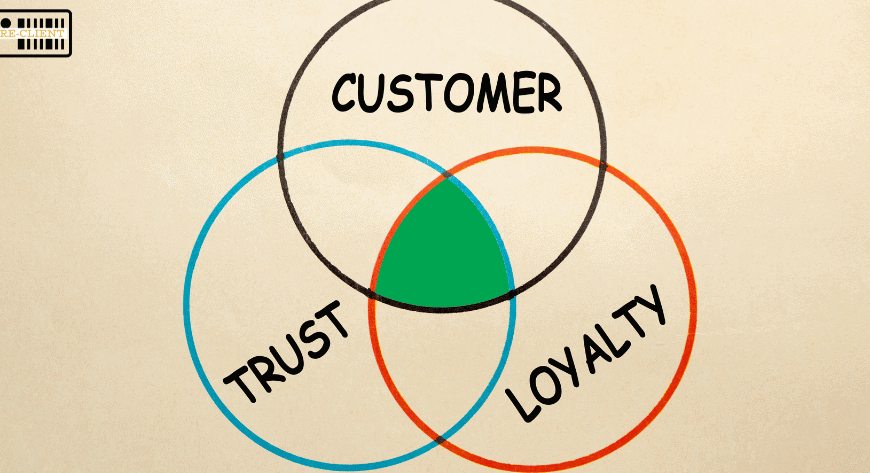
Loyalty programs play a crucial role in enhancing customer retention rates across various industries. By providing incentives for repeat purchases, these programs create a compelling reason for customers to return rather than seeking alternatives. Research has shown that loyal customers are more likely to spend more over time compared to new customers, making them invaluable assets for businesses.
Moreover, loyalty programs foster emotional connections between customers and brands. When consumers feel appreciated through rewards and personalized experiences, they are more likely to develop a sense of attachment to the brand. This emotional bond can lead to increased advocacy; loyal customers often become brand ambassadors who recommend products and services to friends and family.
Consequently, businesses benefit not only from repeat sales but also from organic growth driven by word-of-mouth referrals. The effectiveness of loyalty schemes in retaining customers is further amplified by data analytics. Many companies leverage customer data collected through these programs to gain insights into purchasing behavior and preferences.
This information allows businesses to tailor their offerings and marketing strategies more effectively, ensuring that they meet the evolving needs of their loyal customer base.
6.Common misconceptions about loyalty programs
Despite their popularity, several misconceptions about loyalty programs persist among consumers. One prevalent myth is that all loyalty programs are created equal in terms of value and benefits. In reality, the effectiveness of a loyalty program can vary significantly based on its structure and the specific rewards offered.
Some programs may have complicated redemption processes or limited options for earning points, leading customers to feel frustrated rather than rewarded. Another common misconception is that loyalty schemes are only beneficial for frequent shoppers. While it is true that regular patrons will likely see more significant rewards from these programs, occasional shoppers can still benefit from joining a loyalty program.
Many programs offer welcome bonuses or promotional offers that can provide immediate value even for infrequent buyers. Additionally, some consumers believe that participating in multiple loyalty programs dilutes their benefits. However, engaging with several programs can actually enhance overall rewards if managed effectively.
Customers can strategically choose where to shop based on current promotions or point-earning opportunities without sacrificing potential benefits.
7.The future of loyalty programs
The landscape of loyalty programs is evolving rapidly due to advancements in technology and changing consumer expectations. One significant trend is the increasing integration of digital platforms into loyalty programs. Mobile apps are becoming essential tools for managing rewards, allowing customers to track points in real-time and receive personalized offers directly on their smartphones.
This shift towards digital engagement enhances convenience and accessibility for consumers. Moreover, personalization is set to play an even more prominent role in the future of loyalty programs. As businesses continue to collect vast amounts of data on customer preferences and behaviors, they will be able to tailor rewards and experiences more precisely than ever before.
This level of customization not only improves customer satisfaction but also strengthens brand loyalty by making consumers feel valued as individuals rather than just numbers in a database. Sustainability is another emerging focus within loyalty programs as consumers increasingly prioritize ethical practices and environmental responsibility. Brands that incorporate sustainable initiatives into their loyalty programs (such as rewarding eco-friendly purchases or offering incentives for recycling) are likely to resonate with socially conscious consumers.
As competition intensifies across industries, businesses will need to innovate continually within their loyalty programs to attract and retain customers effectively. The future promises exciting developments in how brands engage with their loyal patrons, ultimately reshaping the way consumers perceive value in their shopping experiences.
🚀 Ready to Boost Your Consumer Loyalty and Grow Your Business?
At Re-Client, we help you set up a personalized loyalty system that turns occasional buyers into loyal customers.
🎁 Book your FREE loyalty audit today and discover actionable strategies to keep your customers coming back — effortlessly!
👉 Claim Your Free Audit NowFAQs
A.What is a loyalty program?
A loyalty program is a marketing strategy designed to encourage customers to continue to shop at or use the services of a business by offering them rewards or incentives for their repeat business.
B.How do loyalty programs work?
Loyalty programs typically involve customers signing up for a membership or loyalty card, and then earning points or rewards for each purchase they make. These points can then be redeemed for discounts, free products, or other benefits.
C.What are the benefits of a loyalty program for customers?
Customers can benefit from loyalty programs by receiving discounts, free products, or other rewards for their repeat business. They may also receive exclusive offers or access to special events.
D.What are the benefits of a loyalty program for businesses?
Businesses can benefit from loyalty programs by increasing customer retention, encouraging repeat business, and gathering valuable data about their customers’ purchasing habits. This can lead to increased sales and customer satisfaction.
E.Are there different types of loyalty programs?
Yes, there are various types of loyalty programs, including points-based systems, tiered programs, cashback rewards, and coalition programs where multiple businesses collaborate on a single loyalty program.
F.How can customers join a loyalty program?
Customers can typically join a loyalty program by signing up for a membership or loyalty card either in-store, online, or through a mobile app. They may need to provide their contact information and agree to the terms and conditions of the program.
G.Are there any drawbacks to loyalty programs?
Some potential drawbacks of loyalty programs for customers include the risk of overspending to earn rewards, privacy concerns related to the collection of personal data, and the potential for the rewards to be devalued over time.