- Key Takeaways
- 1.Types of Customer Loyalty Programs
- 2.Benefits of Implementing a Customer Loyalty Program
- 3.How to Design an Effective Customer Loyalty Program
- 4.Strategies for Encouraging Customer Participation
- 5.Measuring the Success of a Customer Loyalty Program
- 6.Common Mistakes to Avoid when Implementing a Customer Loyalty Program
- 7.Examples of Successful Customer Loyalty Programs
- FAQs
- A.What are customer loyalty programs?
- B.How do customer loyalty programs work?
- C.What are the benefits of customer loyalty programs for businesses?
- D.What are the benefits of customer loyalty programs for customers?
- E.What are some examples of customer loyalty programs?
- F.How can businesses create effective customer loyalty programs?
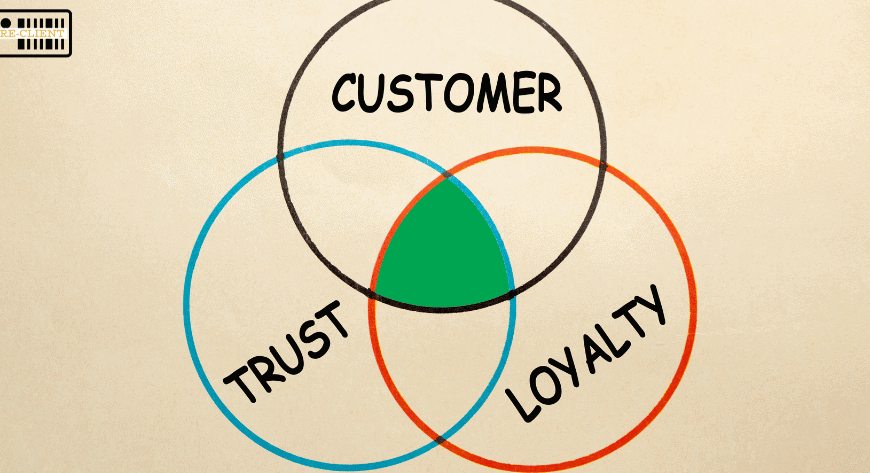
In today’s competitive marketplace, businesses are constantly seeking ways to differentiate themselves and foster long-term relationships with their customers. Customer loyalty programs have emerged as a vital strategy for achieving this goal. These programs not only incentivize repeat purchases but also create a sense of belonging among customers, encouraging them to engage more deeply with a brand.
By cultivating loyalty, companies can transform one-time buyers into lifelong advocates, significantly enhancing their customer lifetime value. Moreover, customer loyalty programs serve as a powerful tool for gathering valuable data about consumer behavior. By tracking purchases and preferences, businesses can gain insights into what drives customer decisions, allowing them to tailor their offerings and marketing strategies accordingly.
This data-driven approach not only enhances the customer experience but also enables companies to make informed decisions that can lead to increased profitability. In essence, customer loyalty programs are not merely about rewards; they are about building a community of loyal customers who feel valued and understood.
Key Takeaways
- Customer loyalty programs are important for retaining customers and increasing their lifetime value to the business.
- Types of customer loyalty programs include points-based programs, tiered programs, and paid programs.
- Implementing a customer loyalty program can lead to increased customer retention, higher customer satisfaction, and increased sales.
- Designing an effective customer loyalty program involves understanding the target audience, setting clear goals, and offering valuable rewards.
- Strategies for encouraging customer participation in loyalty programs include promoting the program, offering personalized rewards, and creating a seamless customer experience.
1.Types of Customer Loyalty Programs
Customer loyalty programs can take various forms, each designed to cater to different business models and customer preferences. One of the most common types is the points-based system, where customers earn points for every purchase they make. These points can later be redeemed for discounts, free products, or exclusive services.
This model is particularly effective in retail environments, where customers are motivated by tangible rewards that accumulate over time. Another popular type is the tiered loyalty program, which offers different levels of rewards based on the customer’s spending or engagement level. For instance, a customer might start at a basic tier with minimal benefits but can ascend to higher tiers that offer more significant rewards as they continue to shop.
This structure not only encourages repeat purchases but also fosters a sense of achievement among customers as they strive to reach the next level. Additionally, subscription-based loyalty programs have gained traction, where customers pay a recurring fee for exclusive access to products or services. This model is prevalent in industries such as beauty and food delivery, where customers appreciate the convenience and perceived value of ongoing membership.
2.Benefits of Implementing a Customer Loyalty Program

Implementing a customer loyalty program can yield numerous benefits for businesses, ranging from increased sales to enhanced customer satisfaction. One of the most immediate advantages is the potential for higher revenue. Loyal customers tend to spend more than new customers, often because they are more familiar with the brand and its offerings.
According to research by Bain & Company, increasing customer retention rates by just 5% can lead to an increase in profits of 25% to 95%.
This statistic underscores the financial impact that loyalty programs can have on a company’s bottom line. In addition to driving sales, loyalty programs can significantly improve customer satisfaction and engagement.
When customers feel appreciated through rewards and recognition, they are more likely to develop an emotional connection with the brand. This emotional bond can lead to positive word-of-mouth marketing, as satisfied customers share their experiences with friends and family. Furthermore, loyalty programs can provide businesses with a competitive edge in crowded markets by differentiating their offerings and creating unique value propositions that resonate with consumers.
💸 How Much Money Are You Losing Every Month?
Find out in seconds with our free Re-Client simulator. The results might shock you…
👉 Try the Free Calculator3.How to Design an Effective Customer Loyalty Program
Designing an effective customer loyalty program requires careful consideration of several key factors. First and foremost, businesses must understand their target audience and what motivates them. Conducting market research and gathering feedback from existing customers can provide valuable insights into their preferences and expectations.
This information can guide the development of a program that aligns with customer desires while also meeting business objectives.
Another critical aspect of program design is simplicity. A loyalty program should be easy to understand and participate in; otherwise, customers may become frustrated and disengaged.
Clear communication about how the program works, how points are earned, and how rewards can be redeemed is essential for fostering participation. Additionally, businesses should consider incorporating technology into their loyalty programs, such as mobile apps or digital wallets, to streamline the process and enhance user experience. By leveraging technology, companies can create a seamless integration between their loyalty program and overall customer journey.
4.Strategies for Encouraging Customer Participation
Encouraging customer participation in a loyalty program is crucial for its success. One effective strategy is to promote the program through various marketing channels, including social media, email newsletters, and in-store signage. By raising awareness about the benefits of joining the program, businesses can attract new members and encourage existing customers to engage more actively.
Another approach is to offer enticing sign-up bonuses or limited-time promotions that incentivize customers to join immediately. For example, providing new members with bonus points upon registration or exclusive discounts on their next purchase can create a sense of urgency and excitement around the program. Additionally, businesses should regularly communicate with members about their progress within the program, such as how many points they have accumulated or what rewards they are close to earning.
This ongoing engagement keeps the program top-of-mind and encourages customers to continue participating.
5.Measuring the Success of a Customer Loyalty Program

To determine the effectiveness of a customer loyalty program, businesses must establish clear metrics for success. Key performance indicators (KPIs) such as customer retention rates, average transaction value, and overall sales growth can provide valuable insights into how well the program is performing. Tracking these metrics over time allows companies to assess whether their loyalty initiatives are driving desired outcomes.
Additionally, businesses should gather qualitative feedback from participants to understand their experiences with the program. Surveys and focus groups can reveal insights into what customers appreciate about the program and areas where improvements may be needed. By combining quantitative data with qualitative feedback, companies can gain a comprehensive understanding of their loyalty program’s impact and make informed adjustments as necessary.
6.Common Mistakes to Avoid when Implementing a Customer Loyalty Program
While customer loyalty programs can be highly effective, there are several common pitfalls that businesses should avoid during implementation. One major mistake is failing to align the program with customer expectations. If the rewards offered do not resonate with customers or if the earning process is too complicated, participation may dwindle quickly.
It is essential to ensure that the program reflects what customers value most. Another frequent error is neglecting ongoing communication with program members. Once a loyalty program is launched, businesses must continue to engage with participants through regular updates about their status within the program and any new rewards or promotions available.
Ignoring this aspect can lead to disengagement and decreased participation over time. Additionally, companies should avoid overcomplicating their programs with excessive rules or restrictions that may frustrate customers rather than incentivize them.
7.Examples of Successful Customer Loyalty Programs
Several brands have successfully implemented customer loyalty programs that exemplify best practices in design and execution. Starbucks Rewards is one such example; it allows members to earn stars for every purchase made using the Starbucks app or registered card. Customers can redeem these stars for free drinks or food items, creating a strong incentive for repeat visits.
The app also provides personalized offers based on purchase history, enhancing customer engagement. Another notable example is Sephora’s Beauty Insider program, which features tiered levels that reward members based on their annual spending. Members receive exclusive access to events, birthday gifts, and early product launches, fostering a sense of exclusivity and community among beauty enthusiasts.
The program’s success lies in its ability to create an emotional connection with customers while offering tangible rewards that resonate with their interests. These examples illustrate how well-designed customer loyalty programs can drive engagement and foster long-term relationships between brands and their customers. By understanding the importance of these programs and implementing effective strategies, businesses can cultivate a loyal customer base that contributes significantly to their success in an increasingly competitive landscape.
🚀 Ready to Boost Your Consumer Loyalty and Grow Your Business?
At Re-Client, we help you set up a personalized loyalty system that turns occasional buyers into loyal customers.
🎁 Book your FREE loyalty audit today and discover actionable strategies to keep your customers coming back — effortlessly!
👉 Claim Your Free Audit Now
FAQs
A.What are customer loyalty programs?
Customer loyalty programs are marketing strategies designed to encourage customers to continue shopping at or using the services of a business. These programs offer rewards, discounts, or other incentives to customers who make repeat purchases or remain loyal to the brand.
B.How do customer loyalty programs work?
Customer loyalty programs typically work by offering customers rewards or incentives for their repeat business. This can include points-based systems, tiered membership levels, or exclusive discounts and offers for loyal customers.
C.What are the benefits of customer loyalty programs for businesses?
Customer loyalty programs can help businesses increase customer retention, encourage repeat purchases, and build brand loyalty. They can also provide valuable data and insights into customer behavior and preferences.
D.What are the benefits of customer loyalty programs for customers?
Customers can benefit from loyalty programs by receiving rewards, discounts, and special offers for their continued patronage. Loyalty programs can also provide a sense of exclusivity and appreciation for loyal customers.
E.What are some examples of customer loyalty programs?
Examples of customer loyalty programs include frequent flyer programs offered by airlines, points-based rewards programs at retail stores, and membership-based programs at coffee shops or restaurants.
F.How can businesses create effective customer loyalty programs?
Businesses can create effective customer loyalty programs by understanding their target audience, offering valuable rewards and incentives, and providing a seamless and user-friendly experience for customers to participate in the program. Regularly analyzing and optimizing the program based on customer feedback and data can also help improve its effectiveness.