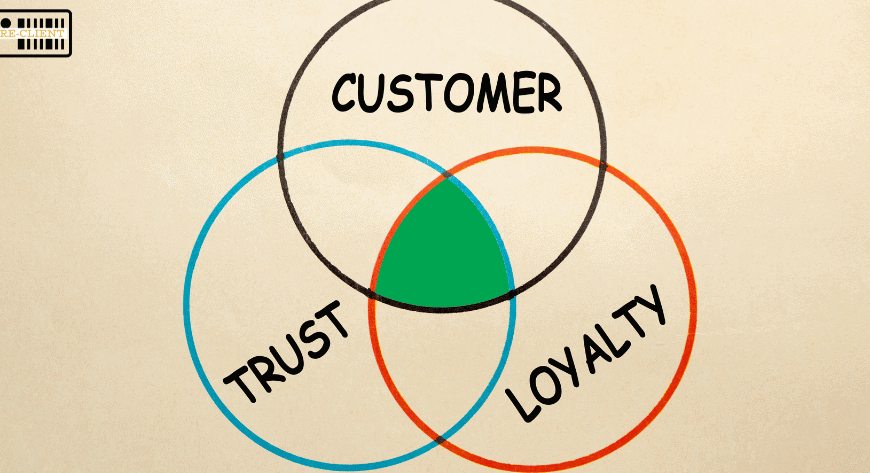
Loyalty rewards programs have become a key part of modern marketing. These programs are designed to keep customers loyal to a brand. These programs encourage customers to make more purchases by offering them different rewards, such as discounts, points, or special access to products and services. The idea is simple: the more a customer interacts with a brand, the more they are rewarded.
This encourages customers to come back and also makes them feel like they belong and appreciate the company. This can have a big effect on what they decide to buy. Loyalty programs first appeared in the early 20th century. Businesses started giving out stamps or tokens that could be redeemed for goods. But now, with the digital age, these programs have become very advanced. They use technology to track what customers like and don’t like.
Nowadays, many loyalty programs are offered through mobile apps and online platforms. This allows for real-time engagement and personalized experiences.
As competition gets stronger in different industries, businesses are realizing that loyalty rewards programs are important. These programs help businesses stand out and build strong relationships with their customers.
Key Takeaways
- Loyalty rewards programs are designed to encourage customers to make repeat purchases and regularly engage with a brand.
- Loyalty rewards programs have many benefits. They can help keep customers, make them worth more, and collect customer data for marketing.
- The best loyalty rewards programs in retail are those offered by Starbucks, Sephora, and Amazon Prime.
- Some of the best loyalty rewards programs in travel are offered by airlines like Delta, United, and Southwest, as well as hotel chains like Marriott and Hilton.
- Some of the best loyalty rewards programs in the hospitality industry include those offered by hotel chains like Hyatt, IHG, and Wyndham, as well as rental car companies like Hertz and Avis.
1 – Benefits of Loyalty Rewards Programs
Loyalty rewards programs offer numerous benefits that go beyond simple customer retention. They provide valuable insights into consumer behavior, enabling businesses to make data-driven decisions that shape marketing strategies and product development.
a)Unlocking Consumer Behavior Insights
By analyzing data collected through loyalty programs, businesses can identify trends, preferences, and purchasing patterns, allowing them to tailor their offerings to meet customers’ specific needs. This approach ultimately enhances the overall shopping experience.
b)Boosting Customer Lifetime Value
Loyalty programs can significantly increase customer lifetime value (CLV) by making customers feel valued and appreciated through rewards. This, in turn, encourages repeat purchases and brand recommendations to others. In fact, a study by Bond Brand Loyalty found that 79% of consumers are more likely to continue doing business with a brand that has a loyalty program.
c)Attracting New Customers and Enhancing Brand Loyalty
This statistic highlights the potential for loyalty programs to not only retain existing customers but also attract new ones through positive word-of-mouth marketing. Furthermore, many loyalty programs offer tiered rewards systems, encouraging customers to reach higher levels of engagement for greater benefits, which can further enhance brand loyalty.
2 – Top Loyalty Rewards Programs in Retail
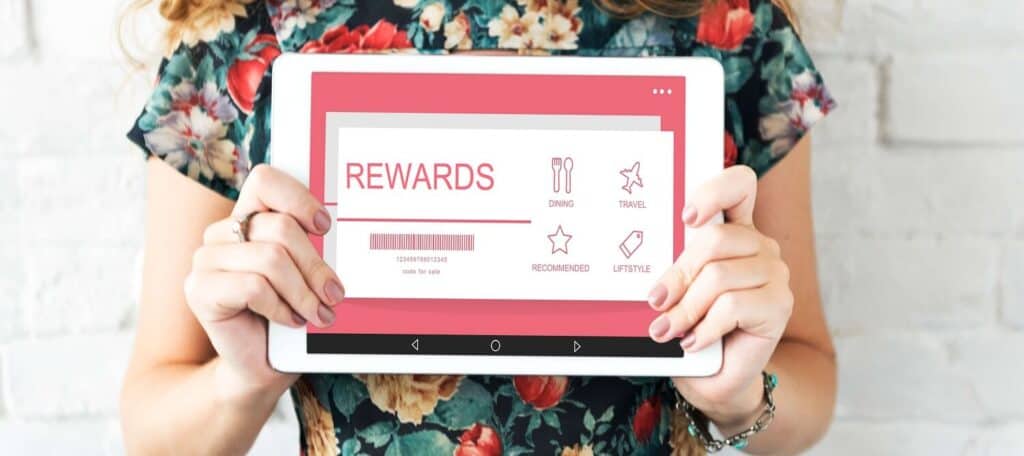
In the retail sector, several loyalty rewards programs stand out for their innovative approaches and customer-centric designs. One notable example is Starbucks Rewards, which allows customers to earn stars for every purchase made using the Starbucks app or registered card. These stars can be redeemed for free drinks, food items, and exclusive offers.
The program’s integration with the mobile app enhances convenience, enabling customers to order ahead and skip lines while earning rewards simultaneously. This seamless experience has contributed to Starbucks’ strong customer loyalty and increased sales. Another prominent retail loyalty program is Sephora’s Beauty Insider program.
This tiered system offers members various benefits based on their spending levels, including exclusive access to products, birthday gifts, and invitations to special events. The program also features a points system where customers earn points for every dollar spent, which can be redeemed for beauty products or experiences. Sephora’s focus on personalization—such as tailored product recommendations based on purchase history—further enhances the customer experience and fosters a sense of community among beauty enthusiasts.
💸 How Much Money Are You Losing Every Month?
Find out in seconds with our free Re-Client simulator. The results might shock you…
👉 Try the Free Calculator3 – Top Loyalty Rewards Programs in Travel
In the travel industry, loyalty rewards programs play a crucial role in encouraging repeat bookings and fostering brand allegiance. One of the most recognized programs is Delta Air Lines’ SkyMiles program. Members earn miles for every flight taken with Delta or its partner airlines, which can be redeemed for free flights, upgrades, and other travel-related perks.
The program also offers tiered membership levels that provide additional benefits such as priority boarding and access to exclusive lounges, incentivizing frequent travelers to remain loyal to Delta. Another exemplary travel loyalty program is Marriott Bonvoy, which encompasses a vast portfolio of hotels and resorts worldwide. Members earn points for every stay, which can be redeemed for free nights or experiences such as exclusive events and culinary experiences.
The program’s flexibility allows members to transfer points to airline partners or use them for unique travel experiences, catering to diverse customer preferences. Marriott Bonvoy’s emphasis on personalized service—such as recognizing elite members upon check-in—enhances the overall guest experience and solidifies brand loyalty.
4 – Top Loyalty Rewards Programs in Hospitality
The hospitality industry has also embraced loyalty rewards programs as a means to enhance guest experiences and drive repeat business. Hilton Honors is a prime example of an effective hospitality loyalty program that allows members to earn points for stays at Hilton properties worldwide. Points can be redeemed for free nights, room upgrades, and exclusive experiences such as concerts or culinary events.
The program’s tiered structure encourages guests to achieve elite status for additional benefits like late check-out and complimentary breakfast. Another noteworthy hospitality loyalty program is Hyatt’s World of Hyatt program. Members earn points for every dollar spent on eligible purchases at Hyatt hotels and resorts, which can be redeemed for free nights or unique experiences like spa treatments or dining events.
The program also emphasizes personalized service by allowing members to choose their rewards based on individual preferences. This level of customization not only enhances guest satisfaction but also fosters a deeper emotional connection between guests and the Hyatt brand.
5 – Top Loyalty Rewards Programs in Finance

a)Chase Ultimate Rewards: A Standout Example
One notable example is Chase Ultimate Rewards, which is linked to various Chase credit cards. Cardholders earn points for every dollar spent on eligible purchases, which can be redeemed for travel, cash back, or gift cards.
b)American Express Membership Rewards: A Prominent Financial Loyalty Program
American Express Membership Rewards is another prominent financial loyalty program that offers cardholders the opportunity to earn points on everyday purchases. These points can be redeemed for travel bookings, merchandise, or even transferred to airline frequent flyer programs for enhanced travel benefits.
Encouraging Customer Engagement and Loyalty
By offering diverse redemption options and unique perks, these financial institutions effectively encourage customer engagement and long-term loyalty.
6 – Tips for Maximizing Loyalty Rewards
To fully leverage the benefits of loyalty rewards programs, consumers should adopt strategic approaches that enhance their earning potential. One effective strategy is to consolidate spending within a single program whenever possible. By focusing purchases on one brand or retailer that offers a robust loyalty program, customers can accumulate points or rewards more quickly than if they spread their spending across multiple brands with less rewarding programs.
Additionally, consumers should stay informed about promotional offers that can accelerate their rewards accumulation. Many loyalty programs run limited-time promotions that allow members to earn bonus points or discounts on specific purchases or during certain periods. Signing up for newsletters or following brands on social media can provide valuable insights into these promotions.
Furthermore, utilizing mobile apps associated with loyalty programs can streamline tracking points and redeeming rewards while providing personalized offers based on shopping habits. Another tip is to take advantage of tiered reward systems by aiming for higher membership levels within a program. Many loyalty programs offer enhanced benefits as customers reach different tiers based on their spending or engagement levels.
By understanding the requirements for achieving these tiers and planning purchases accordingly, consumers can unlock additional perks such as exclusive access to events or enhanced service options.
Conclusion and Final Thoughts
Loyalty rewards programs have evolved into essential tools for businesses seeking to cultivate lasting relationships with their customers across various industries. From retail giants like Starbucks and Sephora to travel leaders like Delta Air Lines and Marriott, these programs offer significant benefits not only for consumers but also for brands looking to enhance customer retention and drive sales growth. As technology continues to advance, the potential for personalization and engagement within loyalty programs will only increase.
For consumers eager to maximize their rewards potential, understanding how these programs work and adopting strategic approaches can lead to substantial benefits over time. By consolidating spending, staying informed about promotions, and aiming for higher membership tiers, individuals can unlock a wealth of opportunities that enhance their shopping experiences while enjoying exclusive perks along the way. As businesses continue to innovate in this space, the future of loyalty rewards programs promises even greater value for both brands and consumers alike.
🚀 Ready to Boost Your Consumer Loyalty and Grow Your Business?
At Re-Client, we help you set up a personalized loyalty system that turns occasional buyers into loyal customers.
🎁 Book your FREE loyalty audit today and discover actionable strategies to keep your customers coming back — effortlessly!
👉 Claim Your Free Audit NowFAQs
A)What are loyalty rewards programs?
Loyalty rewards programs are marketing strategies designed to encourage customers to continue shopping at or using the services of a business. Customers are offered rewards, discounts, or other incentives in exchange for their continued loyalty.
B)How do loyalty rewards programs work?
Loyalty rewards programs typically involve customers signing up for a membership or loyalty card. They then earn points or rewards for each purchase or interaction with the business. These points can be redeemed for discounts, free products, or other perks.
C)What are the benefits of joining a loyalty rewards program?
Joining a loyalty rewards program can lead to savings and perks for customers. They may receive discounts on future purchases, access to exclusive deals, or even free products or services based on their loyalty points.
D)What are some popular loyalty rewards programs?
Some popular loyalty rewards programs include those offered by airlines, hotels, retail stores, and credit card companies. Examples include the Starbucks Rewards program, Amazon Prime, and the Hilton Honors program.
E)How can I find the best loyalty rewards program for me?
To find the best loyalty rewards program for you, consider your spending habits and the types of rewards you value most. Research different programs to compare their benefits, earning potential, and redemption options.